history
Breville Espresso Machines: A Design History From 1932
By Home Espresso Bar Editorial Team · November 1, 2026

Breville’s story reads like a design diary that stretches from a modest radio shop in Depression-era Australia (The Daily Meal places it in Sydney) to the sleek, all-in-one Barista Express that sits on kitchen counters today. By the end of this article you’ll understand how a radio salesman and an engineer turned a low-capital venture into a household-name appliance brand, what forced Breville to adopt the Sage badge in Europe, and how the Barista Express evolved from a simple single-boiler unit to a grinder-integrated workhorse. You’ll also see how Breville frames its design ethos in a series of verbs that guide every product launch.
Key takeaways
- Breville was founded in 1932 by radio salesman Bill O’Brien and engineer Harry Norville during Australia’s severe economic depression1.
- The brand name blends the surnames of its two founders, a fact reported by secondary sources such as The Daily Meal and Wikipedia4.
- In the United Kingdom and Europe the machines are sold under the Sage name because the Breville trademark is owned by Newell Brands; Breville created the Sage brand in 2013 with chef Heston Blumenthal’s endorsement32.
- The Barista Express was introduced around 2011 (CoffeeGeek), and a major North-American overhaul in 2013 added a built-in grinder (The Daily Meal).
- Breville describes its design approach as a sequence of verbs, listen, obsess, innovate, test, refine, design, reflecting a disciplined, iterative process6.
Origins and Early Design (1932-1951)
The Breville story begins in 1932, when Bill O’Brien, a radio salesman, partnered with engineer Harry Norville to launch Breville Radio1. The venture started with “little capital” amid the nation’s deep economic depression, focusing on manufacturing radios for a market still hungry for wireless entertainment. During World War II the company pivoted to produce mine detectors, a wartime contribution that broadened its engineering expertise3. As television began to dominate the post-war consumer landscape, Breville sold its radio division in 1951, leaving the family-run business to concentrate on small appliances1.


R&D and Household Appliances (1960s-1974)
The next design milestone arrived in the 1960s when John O’Brien, son of co-founder Bill, established a dedicated research and development centre. This facility gave Breville the ability to design and manufacture its own products rather than rely on third-party suppliers1. The centre’s first breakout successes were the Snack n Sandwich toaster and the Kitchen Wizz food processor, both credited to the in-house R&D team1. The Snack n Sandwich, introduced in 1974, became a household name across Australia, cementing Breville’s reputation for clever, space-saving kitchen tools4.
Entry into Espresso: Early Machines to Dual Boiler (2004-2011)
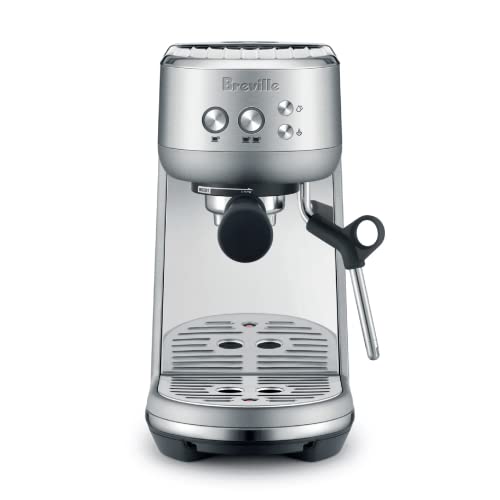
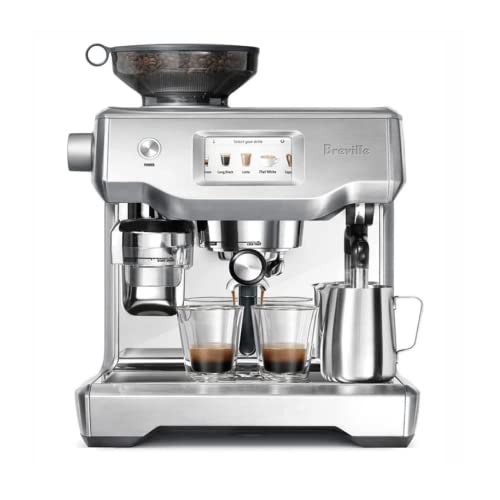
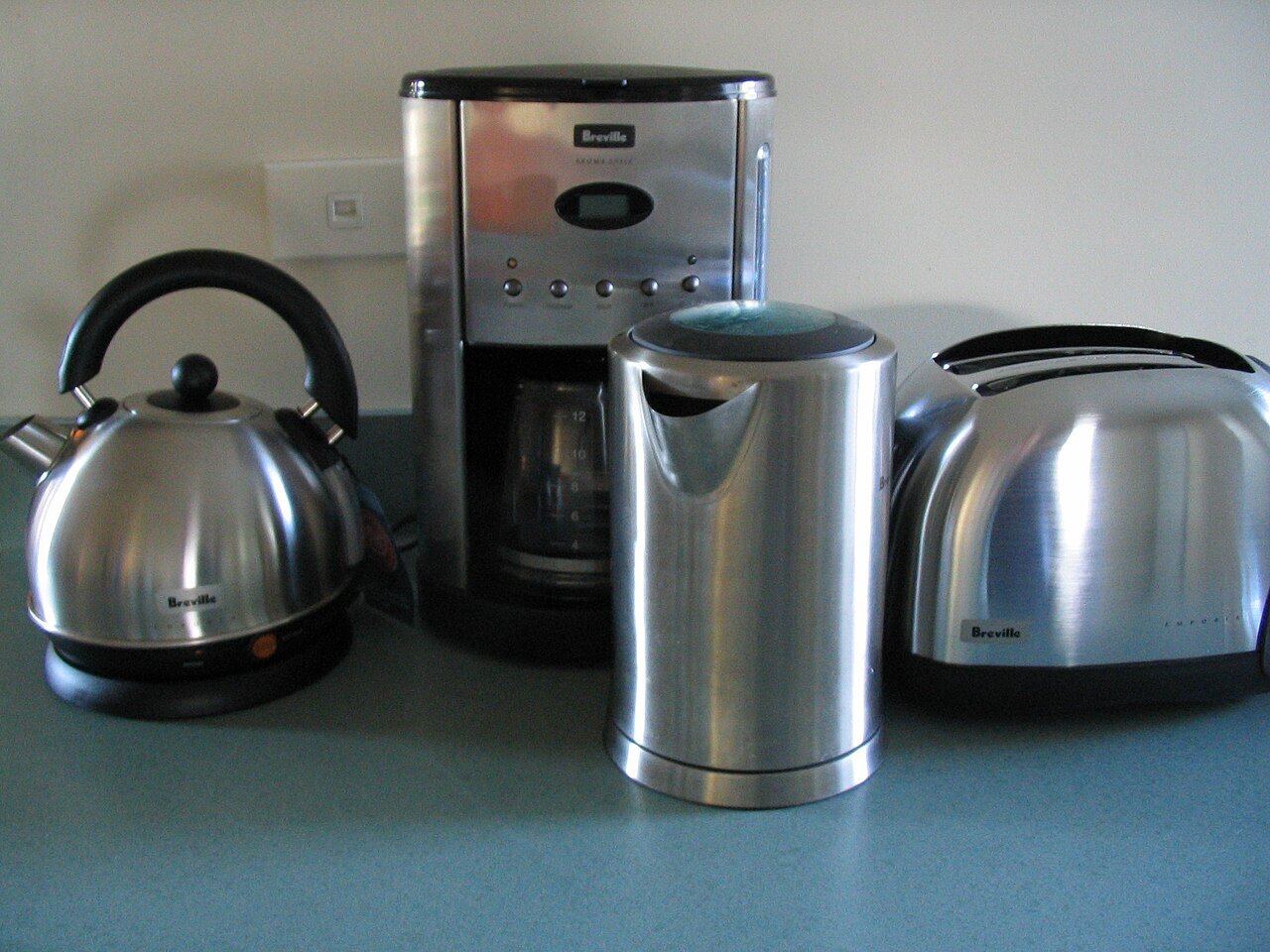
Breville released the Cafe Roma in 2004, a machine that used a single boiler for both espresso extraction and steam generation4. While functional, the single-boiler design limited simultaneous brewing and steaming, a constraint that would later be addressed. In 2011 Breville released the Dual Boiler, a prosumer-grade espresso machine featuring two independent boilers and customizable settings4.


Barista Express: Introduction and Overhaul (2011-2013)
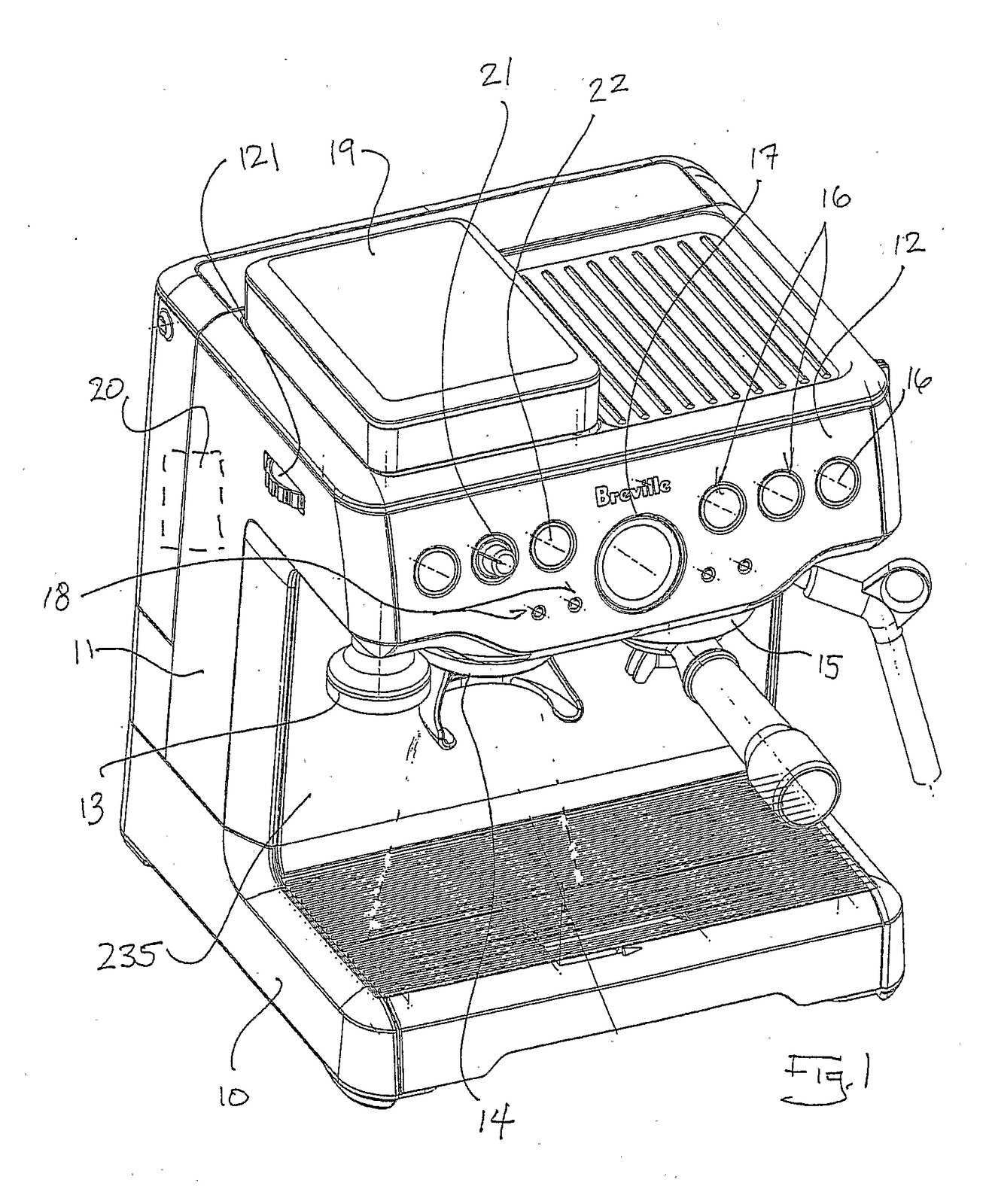
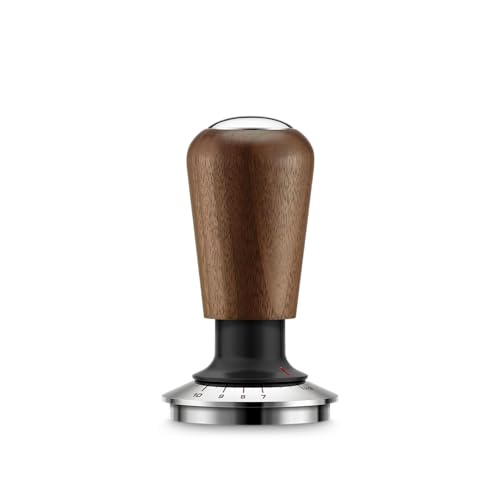
The Barista Express arrived around 2011, as a home-market espresso machine5. The Barista Express is a pump-driven, single-boiler machine; a built-in grinder was added in the 2013 North-American overhaul. Its design featured a 54 mm portafilter made mostly of stainless steel with a plastic insert, a magnetic tamper that docked on the machine, and PID temperature control offering six selectable settings5. The grinding system borrowed heavily from Breville’s Dose Control Pro and Smart Grinder Pro, providing roughly 15 grind steps and a 250 g bean hopper5. Physically, the unit measured about 41 cm tall, 31 cm wide and 34 cm deep, weighing 9.55 kg empty5.
A year later, an Australian variant, identified as the BES870XL range, replaced the original model, and the North American market received an overhauled version in 20135.
Sage Branding and Design Philosophy
The United Kingdom and broader European markets encounter the brand under the Sage badge. The reason traces back to trademark ownership: Newell Brands holds the Breville name in the UK, preventing the Australian company from using it there3. To continue selling premium appliances, Breville established a UK business toward the end of its 2013 financial year, launching the Sage brand, which is endorsed by chef Heston Blumenthal2.
Breville’s design narrative is articulated through a concise set of verbs on the Sage website: listen, obsess, innovate, test, refine, design6. The sequence reflects a disciplined, iterative process, starting with listening to user needs, obsessing over details, innovating solutions, rigorously testing prototypes, refining based on feedback, and finally delivering a designed product.
Frequently Asked Questions
Who founded Breville and when?
Breville was founded in 1932 by radio salesman Bill O’Brien and engineer Harry Norville during Australia’s severe economic depression1.
Where does the name Breville come from?
The brand name combines the founders’ surnames, as reported by secondary sources such as The Daily Meal and Wikipedia4.
Why is Breville sold as Sage in the UK and Europe?
The Breville trademark in the United Kingdom is owned by Newell Brands, preventing the Australian company from using its own name there. To navigate this, Breville set up a UK operation and launched the Sage brand in 2013, with endorsement from chef Heston Blumenthal32.
When was the Barista Express introduced?
The Barista Express entered the market around 2011, and a built-in grinder was added in the 2013 North-American overhaul.
What changed between the early and the overhauled Barista Express?
The early Barista Express was a pump-driven, single-boiler machine without an integrated grinder; the 2013 North-American overhaul added a built-in grinder while retaining the same pump-driven, single-boiler architecture and other features.
How does Breville describe its design approach?
Breville (through its Sage brand) frames its design methodology as a series of verbs: listen, obsess, innovate, test, refine, design. This sequence underscores a commitment to user-centered research, meticulous engineering, and continuous improvement6.
Closing thoughts
From a modest radio business in 1932 to a global appliance powerhouse, Breville’s design history is marked by a steady march toward integration and user-focused refinement. Each pivot, selling the radio division, establishing an in-house R&D centre, expanding into coffee equipment, and finally merging grinding and brewing in the Barista Express, reflects a willingness to adapt technology to everyday kitchens. The Sage re-branding illustrates how trademark realities can shape market strategy without diluting the core design philosophy that continues to drive the company’s product evolution.